



Protect Patient Data and Build Trust with Our
HIPAA Compliance Services
Starting from
$11.99/hr
Trusted by


Discover Our HIPAA compliance services
HIPAA Risk Assessment
Data Encryption Services
Compliance Audits
Cloud Storage Compliance
Business Associate Agreements
Incident Response Planning
Safeguards Implementation
Privacy Impact Assessments
Policy & Procedure Development
Tailored HIPAA Compliance Services for Healthcare Providers
HIPAA Compliance Services are essential for healthcare organizations to safeguard patient information and adhere to federal regulations. These services encompass risk assessments, compliance audits, and the development of policies and procedures tailored to HIPAA standards. By implementing technical safeguards and providing staff training, organizations can protect patient health information (PHI) and mitigate the risk of data breaches. Additionally, our services include incident response planning and assistance with business associate agreements, ensuring a comprehensive approach to compliance. Trust in our expertise to navigate the complexities of HIPAA regulations and maintain the integrity of your healthcare operations.
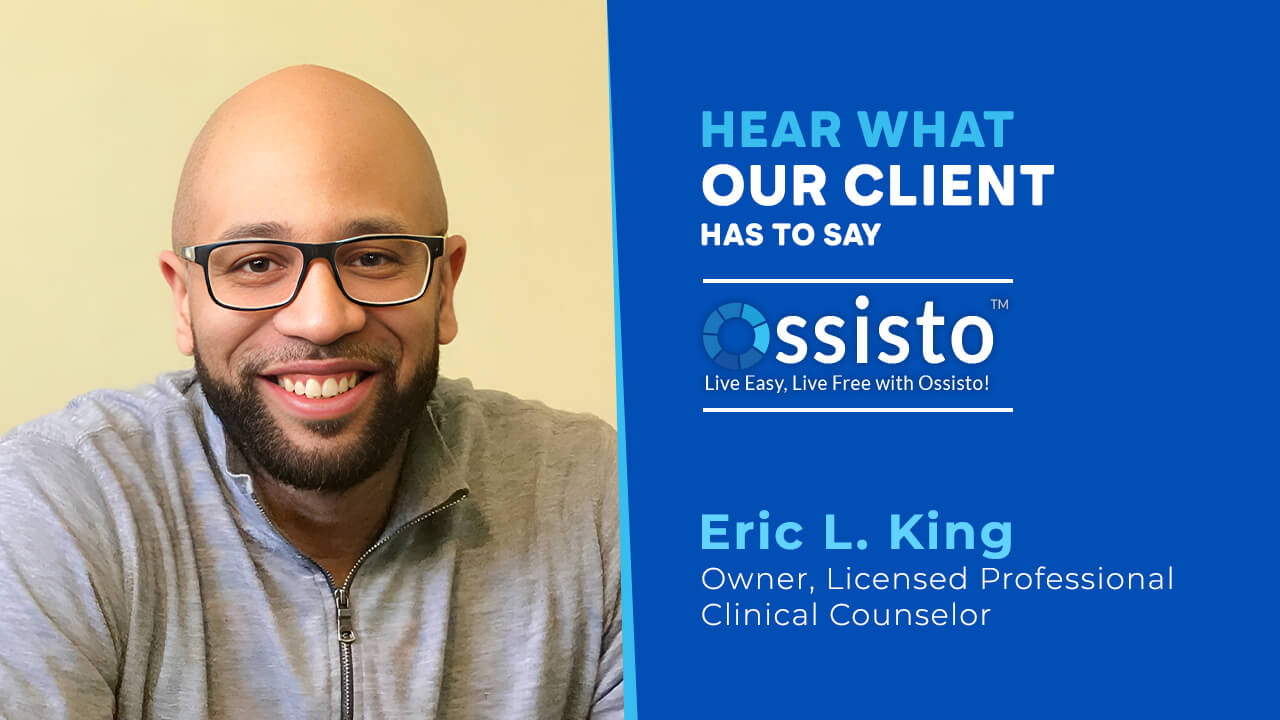
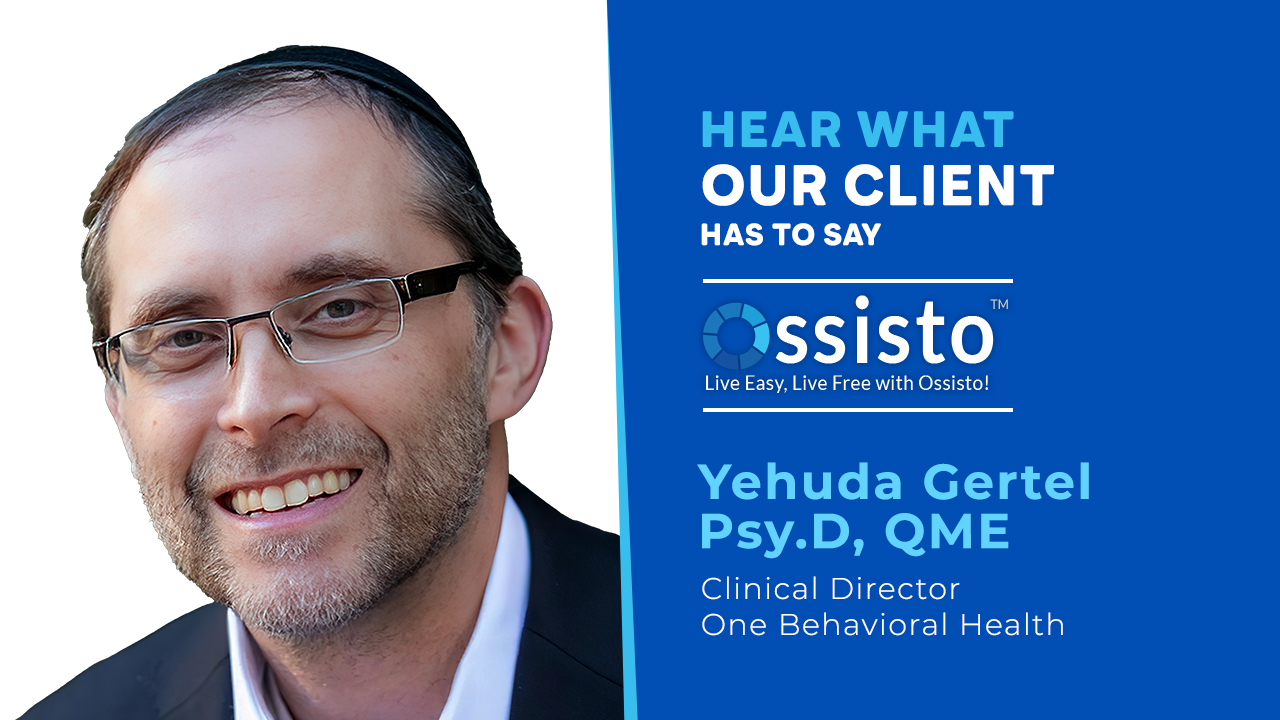
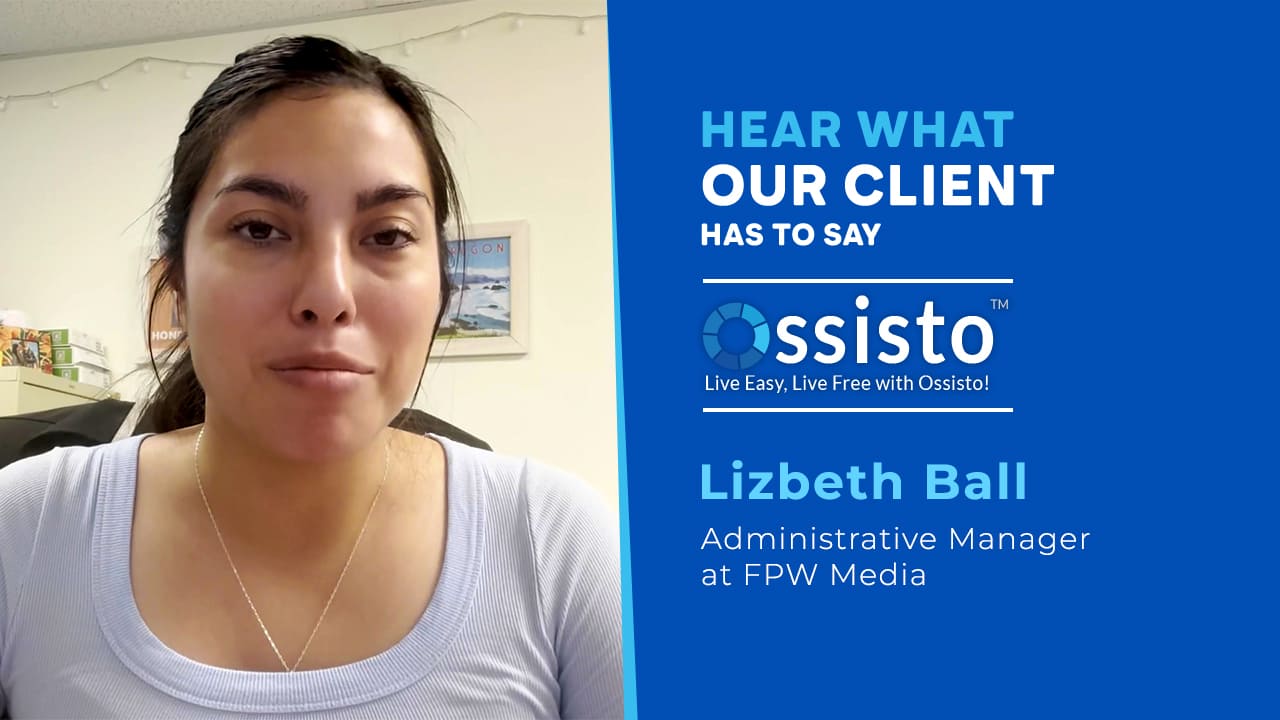
Case Studies
Real Voices, real results















Why choose us
Your Trusted Partner in HIPAA Compliance Solutions
Comprehensive Industry Expertise
Customized Compliance Solutions
Proactive Compliance Approach
Ongoing Support and Consultation
Experienced and Certified Professionals
Advanced Technology Integration
Regulatory Updates and Compliance
Cost-Effective Solutions
Commitment to Client Satisfaction
How it works
Protecting Patient Privacy, One Step at a Time
1
Initial Consultation
Our process starts with a thorough consultation to understand your organization’s needs and compliance requirements. We evaluate your current security measures, workflows, and systems to pinpoint vulnerabilities and areas for improvement related to HIPAA regulations, ensuring a comprehensive approach to compliance.
2
Tailored Compliance Plan
Based on the initial assessment, we develop a tailored HIPAA compliance Services plan that fits your organization’s unique structure. This plan outlines necessary steps, including policy updates, employee training, security upgrades, and documentation, ensuring that every aspect of your organization aligns with HIPAA standards.
3
Implementation
Once the plan is approved, we begin implementing the recommended security measures. This includes setting up encryption protocols, access controls, data backup systems, and monitoring tools to safeguard patient information. Our team works closely with your IT department to ensure smooth integration without disrupting operations.
4
Staff Training
To ensure compliance at all levels, we provide comprehensive HIPAA training for your staff. This training focuses on the importance of handling protected health information (PHI) securely and teaches employees how to follow privacy protocols and prevent potential breaches.
5
Continuous Monitoring
After implementation, we offer continuous monitoring and auditing of your systems to maintain a HIPAA compliance database. Our advanced tools track access to PHI, flag potential security issues, and conduct regular audits to ensure your organization remains in line with changing regulations.
6
Ongoing Support
HIPAA compliance Services is an ongoing process, and we provide continued support even after initial implementation. We keep you updated with any changes in HIPAA regulations and offer guidance to adjust policies as needed, ensuring long-term compliance and data security.
Our Partners
Growing Together with Our Partners


FAQ's
Is HIPAA Compliance Expensive?
The cost of HIPAA compliance varies by organization size and complexity. Expenses may include risk assessments, training, security measures, and ongoing audits. While initial costs can be significant, they help avoid costly fines for data breaches. Investing in compliance ultimately protects sensitive patient information and maintains your organization’s reputation.
How Do I Get a HIPAA Seal of Compliance?
To obtain a HIPAA seal of compliance, organizations must undergo a comprehensive assessment of their policies, procedures, and security measures. Engaging a certified third-party auditor can help evaluate your compliance status. Once you meet all HIPAA requirements, the auditor will issue a seal to signify your adherence to regulations.
How to Get HIPAA Compliance?
To achieve HIPAA compliance, start with a thorough risk assessment to identify vulnerabilities. Develop and implement necessary policies and procedures, train your staff, and establish security measures for protecting patient information. Regular audits and ongoing monitoring ensure continued compliance. Consider hiring a compliance expert to guide you through the process effectively.
How Long is HIPAA Compliance Good For?
HIPAA compliance is not a one-time effort; it requires ongoing maintenance. Organizations must continually review and update their policies, conduct regular risk assessments, and train employees. Regular audits and monitoring ensure compliance is upheld. Maintaining a proactive approach will keep your organization compliant and protect sensitive health information.
How Do You Prove You Are HIPAA-Compliant?
To prove HIPAA compliance, maintain thorough documentation of your policies, procedures, and training records. Conduct regular audits and risk assessments to identify areas for improvement. If needed, engage a third-party auditor for an independent assessment. Being prepared to provide documentation during an audit demonstrates your commitment to protecting patient information.
Who Needs HIPAA Compliance?
HIPAA compliance is required for healthcare providers, insurers, and any entity handling protected health information (PHI). This includes hospitals, clinics, pharmacies, and even third-party vendors or contractors that access PHI. Ensuring compliance helps protect patient data and maintain trust in your organization.
How Do I Make a Document HIPAA Compliant?
To make a document HIPAA compliant, ensure it only includes necessary protected health information (PHI) and is stored securely. Implement access controls to limit who can view or edit the document. Use encryption for electronic documents and establish proper protocols for sharing and disposing of sensitive information.
